
What project were you investigating or developing during your residency?
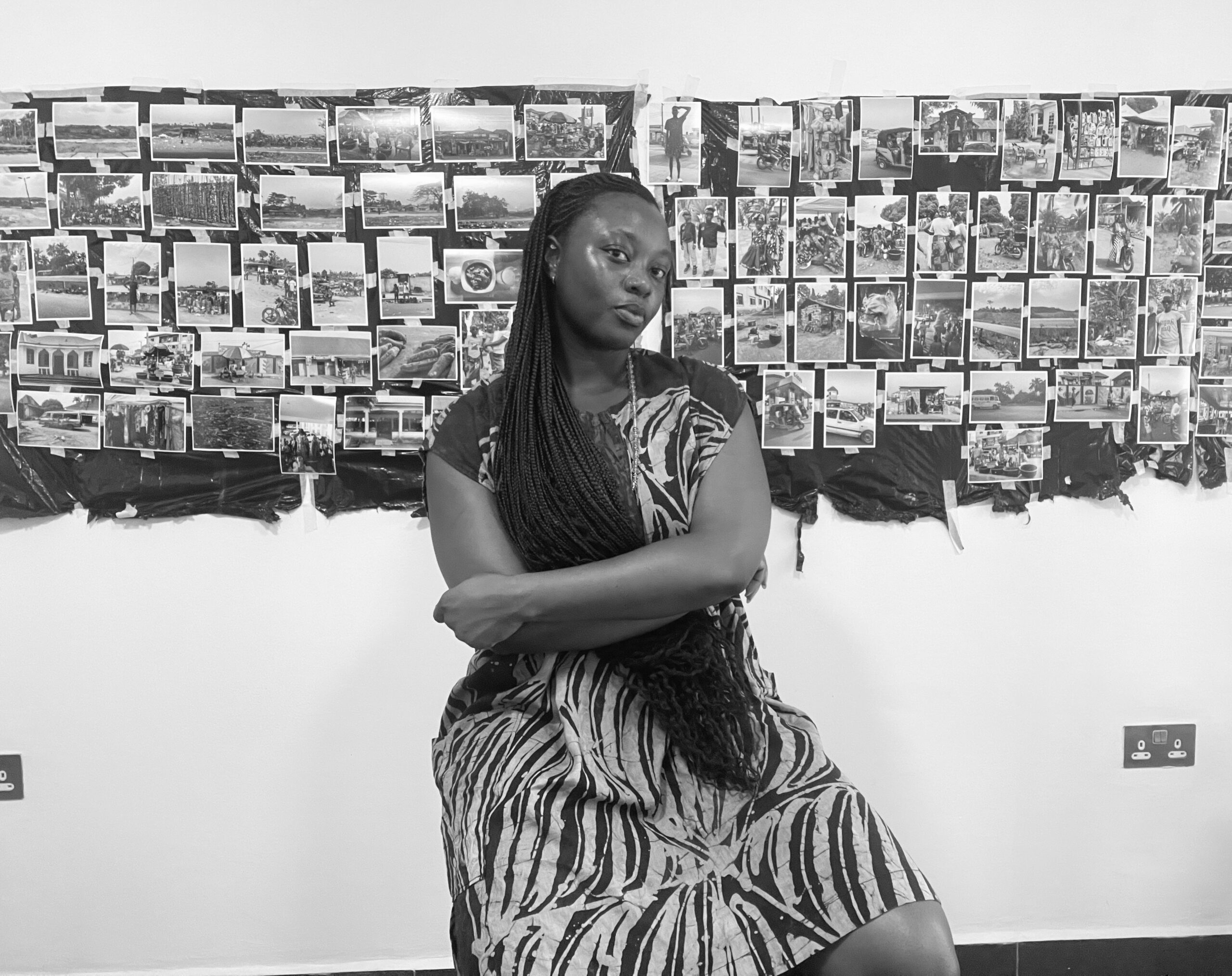
I spent my residency researching design, architecture, and cultural preservation through the lens of the built environment. I became interested in the idea that buildings are more than structures; they are records of belief, memory, power, and identity. My research took me across Ibadan, from the Dominican Institute Chapel to smaller churches on Oke-Are Hill, as well as historic institutions and everyday spaces that often go unnoticed. I was less interested in architecture as an object and more interested in what it reveals about the people who build it, inherit it, and use it. The residency became an opportunity to study how cultural values are embedded within space, and how architecture can act as both a witness to history and a tool for shaping collective experience.
In what way did the environment, resources, or community around you influence your residency experience or its outcome?
Ibadan has always been part of my story. My grandparents lived there, so I spent a lot of time in the city growing up. Returning during the residency allowed me to engage with it differently; not through memory or nostalgia, but through observation and research. I found myself paying attention to things I would normally overlook: a carved doorway, a church pew, a workshop, a roadside conversation, the way a building ages over time. The city became a classroom of sorts. What the residency reinforced for me is that culture doesn’t only exist in archives, museums, or designated heritage sites. It exists in the everyday; in the spaces people gather, the objects they use, the buildings they inherit, and the habits they carry forward. Many of the most valuable insights came not from formal research, but from simply paying closer attention.
Looking back on the residency, is there a specific experience or moment that continues to resonate with you?
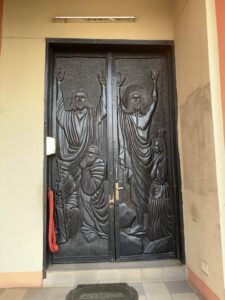
One day, I spent hours moving between churches across Ibadan studying their architecture. What stayed with me wasn’t the buildings themselves, but the questions they raised. I kept noticing imported visual languages and design systems where I expected to find stronger traces of local craftsmanship and cultural expression. At the same time, simply trying to access and document some of these spaces revealed how difficult curiosity can be. There were moments when observation was met with suspicion rather than openness. It left me thinking about preservation in a different way. If people cannot easily access, document, or engage with cultural spaces, how can we preserve what we do not fully understand?
Did any new ideas or projects emerge during the residency that you hope to continue developing?
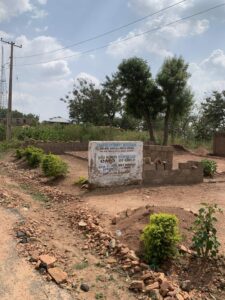
More than a project, the residency sharpened a belief. I became increasingly interested in the difference between preservation and nostalgia. Too often, we treat culture as something to be protected from change. But culture has never been static. Traditions evolve, design evolves, and communities evolve. What interests me is not how we preserve the past, but how we ensure that valuable knowledge survives the future. That idea continues to shape the way I think, research, and make work.
What is currently inspiring your thinking or practice (a book, film, conversation, research, place, etc.) and why?
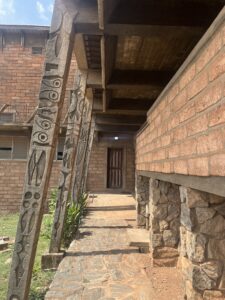
Places, conversations, and books are shaping my thinking right now; less as inspiration, more as something that keeps shifting how I see my work. I’ve spent time in Benin City this year, and I keep thinking about the intelligence embedded in its material culture. Craft there doesn’t sit in the past; it feels active, like a living system. It’s changing how I understand what contemporary can mean. Conversations, especially the difficult ones with collaborators, craftspeople, and friends are doing something similar. They don’t just refine ideas; they unsettle them, and that disruption has become part of the process.
Recently, reading “Building Beyond You” by Tara Fela-Durotoye reframed something for me: building not as personal achievement, but as responsibility; something that continues beyond you and gets reinterpreted by others. The older I get, the more I realise good work rarely starts with answers. It starts with staying with the questions long enough to be changed by them.